How to Sell a Sea Island Cottage in Today’s Market
May 28, 2026
May 28, 2026
What makes a Sea Island Lake Cottage sell well in today’s market? It is rarely just square footage. In a niche luxury enclave where views, privacy, finish level, and access details can shift value by hundreds of thousands of dollars, the right selling strategy matters from day one. If you are preparing to sell, this guide will show you how to price, position, and present your cottage for today’s discerning buyers. Let’s dive in.
Sea Island is not a typical coastal market, and Lake Cottages are not a typical townhouse product. Sea Island is known as a private resort and island community connected by causeway from St. Simons Island, with amenities and experiences that shape buyer perception of value. That makes your sale part real estate, part lifestyle presentation.
The Lake Cottages enclave has its own identity within that larger setting. Sea Island describes the community as gated and located outside the resort gates, about 1.7 miles from the resort, with lake or marsh outlooks and community pool access. For sellers, that means buyers need a clear, accurate picture of what the home offers on its own and how it relates to the broader Sea Island experience.
Just as important, access rights should be described with precision. Sea Island’s public materials note that regular access to amenities for non-guests requires Sea Island Club membership, so your listing should never imply benefits that do not transfer with the property. In this market, clarity builds trust.
One of the biggest pricing mistakes in a luxury micro-market is leaning too heavily on broad island averages. Public market trackers show Sea Island as a high-priced but slower-moving market, with reported median days on market ranging from 116 to 328 depending on the source and time period. While the exact figures differ, the message is consistent: overpricing can cost you time.
For a Lake Cottage, the better pricing approach is to study recent closed sales in the same enclave. Publicly reported examples show meaningful variation even within this one community, including sales around $2.78 million, $3.0 million, $3.65 million, $3.7 million, and $3.85 million. That spread reflects what luxury buyers are actually paying attention to.
Within the same community, buyers often compare homes feature by feature. The factors most likely to influence value include:
That is why a sound pricing strategy starts with same-enclave comparable sales, then adjusts for the details that make your home more or less competitive. Island-wide numbers can offer context, but they should not drive the list price for a specialized property like this.
Luxury buyers expect a smooth diligence process, and that starts before your home ever goes live. If you are considering repairs or improvements before listing, confirm early whether the work requires county approval. Glynn County states that permits are required for many projects, including additions, structural changes, pools, outdoor structures, site work, demolition, and certain specialized installations.
If work was completed in the past, gather the paperwork now. Unpermitted improvements can become a negotiation issue later, especially on a coastal property where buyers tend to review records carefully. Having receipts, permit documentation, and inspection records ready helps support value and reduce uncertainty.
A pre-listing inspection can help you understand the home’s condition story before a buyer does. National real estate reporting has noted growing use of pre-listing inspections because inspection findings can quickly derail a contract. In a premium market, surprises rarely help a seller.
This does not mean you must repair everything. It means you should identify visible or material concerns early, decide what to address, and be prepared to document what has been improved. Buyers at this level often value transparency as much as presentation.
On Sea Island, coastal questions are part of the selling conversation. Flood-zone status, elevation, drainage, and insurance cost expectations should be reviewed before launch, not after a buyer raises them during due diligence. Early preparation helps prevent your listing from losing momentum.
FEMA identifies its Flood Map Service Center as the official source for flood hazard products and notes that most homeowners insurance does not cover flood damage. For you as a seller, that makes early fact-gathering especially important. If a buyer is coming from outside the area, they may need extra context around coastal ownership realities.
The more clearly you can present the property’s condition, site considerations, and documentation, the more confidence you create. In a market where many buyers may be purchasing a second home or arriving from another region, confidence matters.
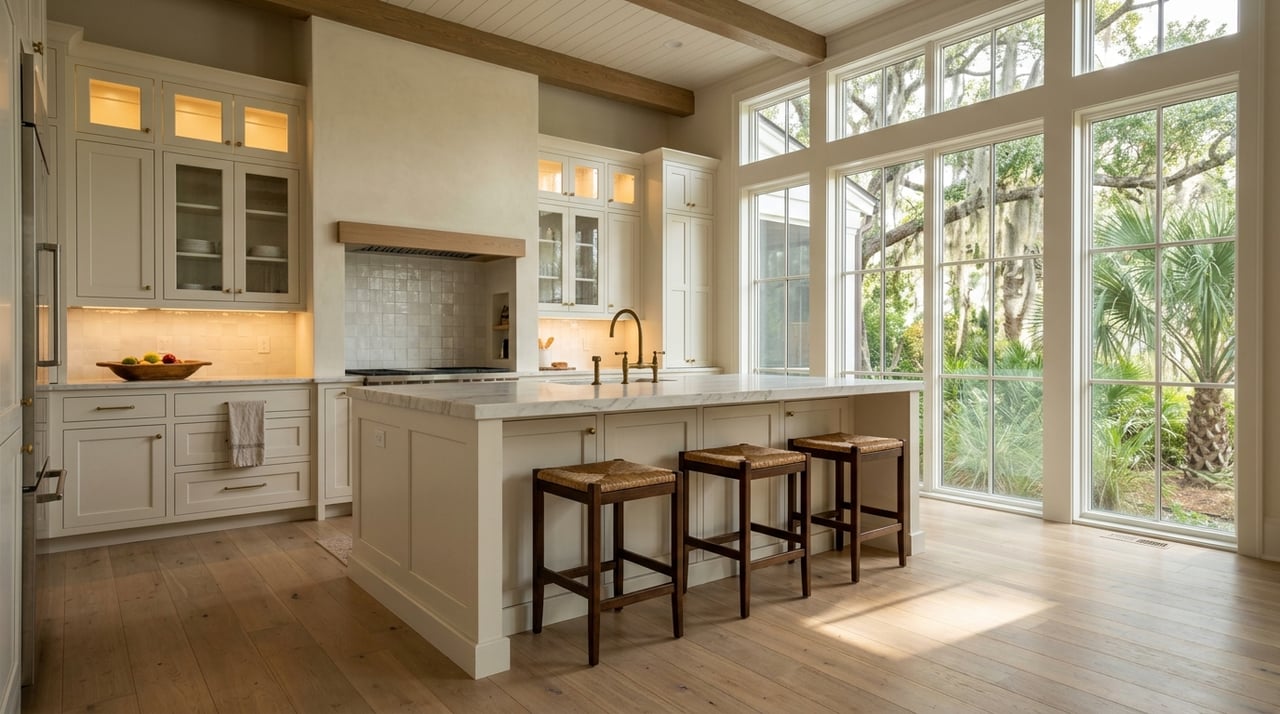
Staging still plays a major role in how buyers respond, especially online. According to the National Association of Realtors’ 2025 Profile of Home Staging, 83 percent of buyers’ agents said staging made it easier for buyers to visualize a property as a future home. The same report noted a median staging service spend of $1,500.
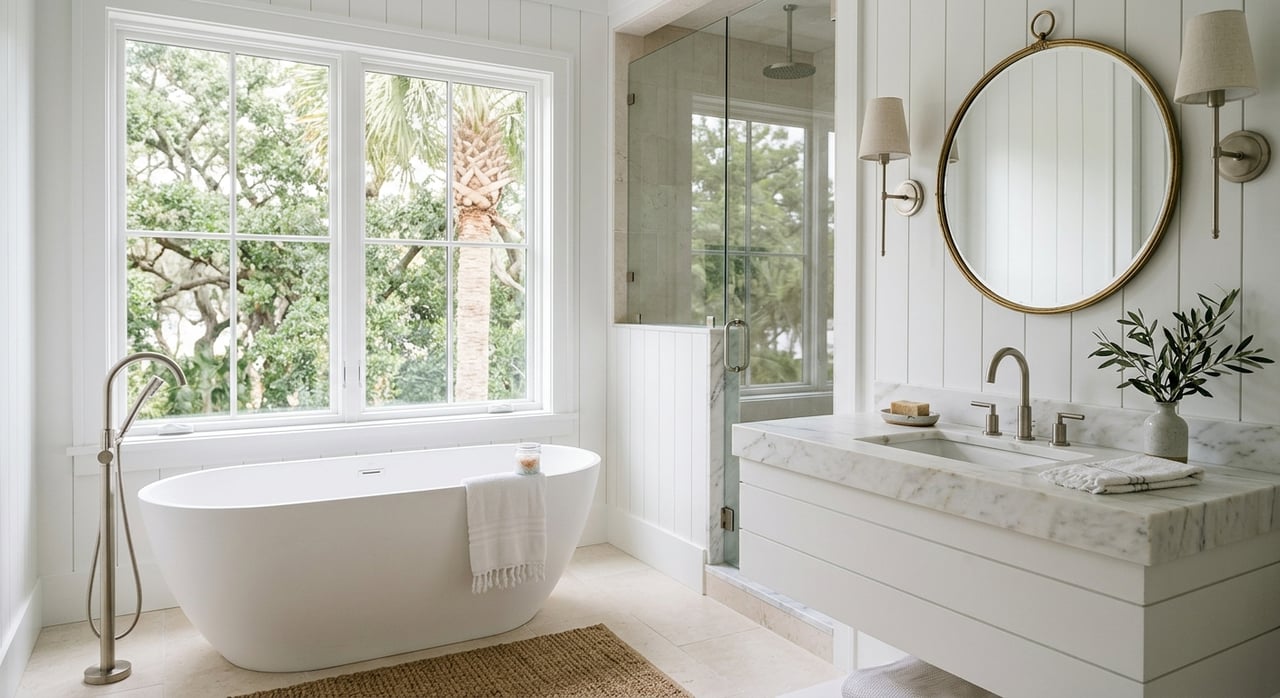
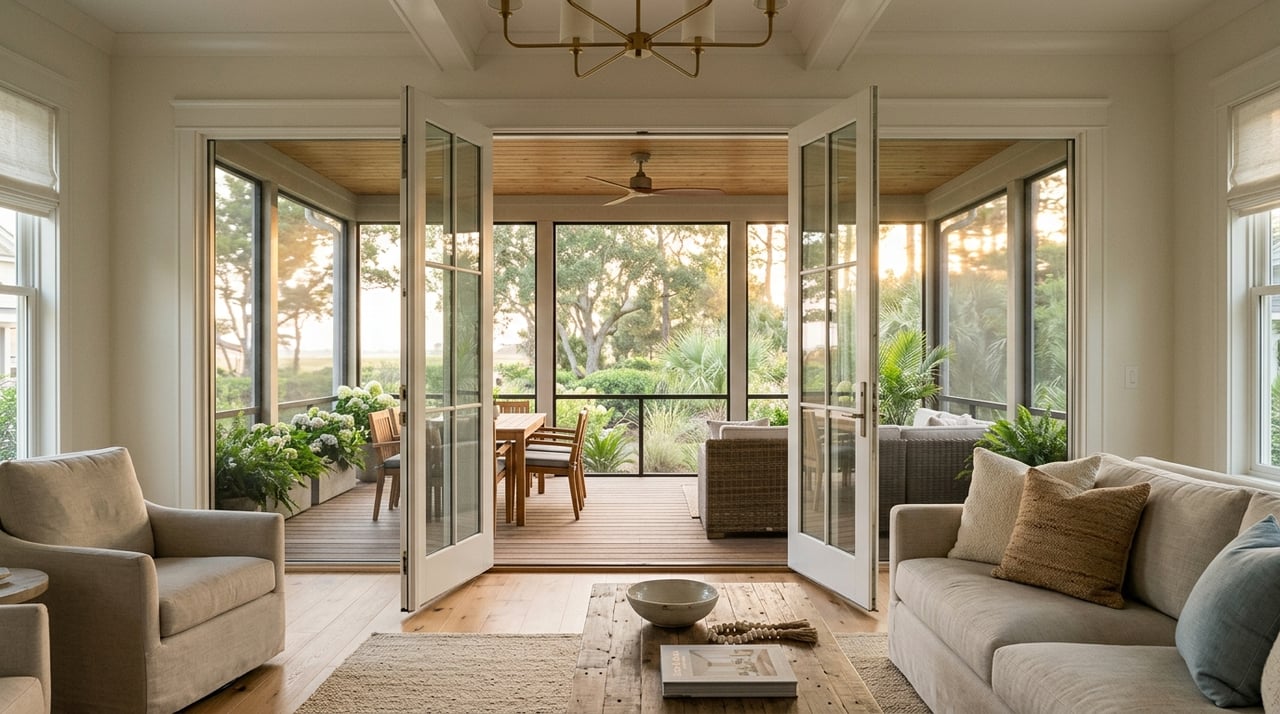
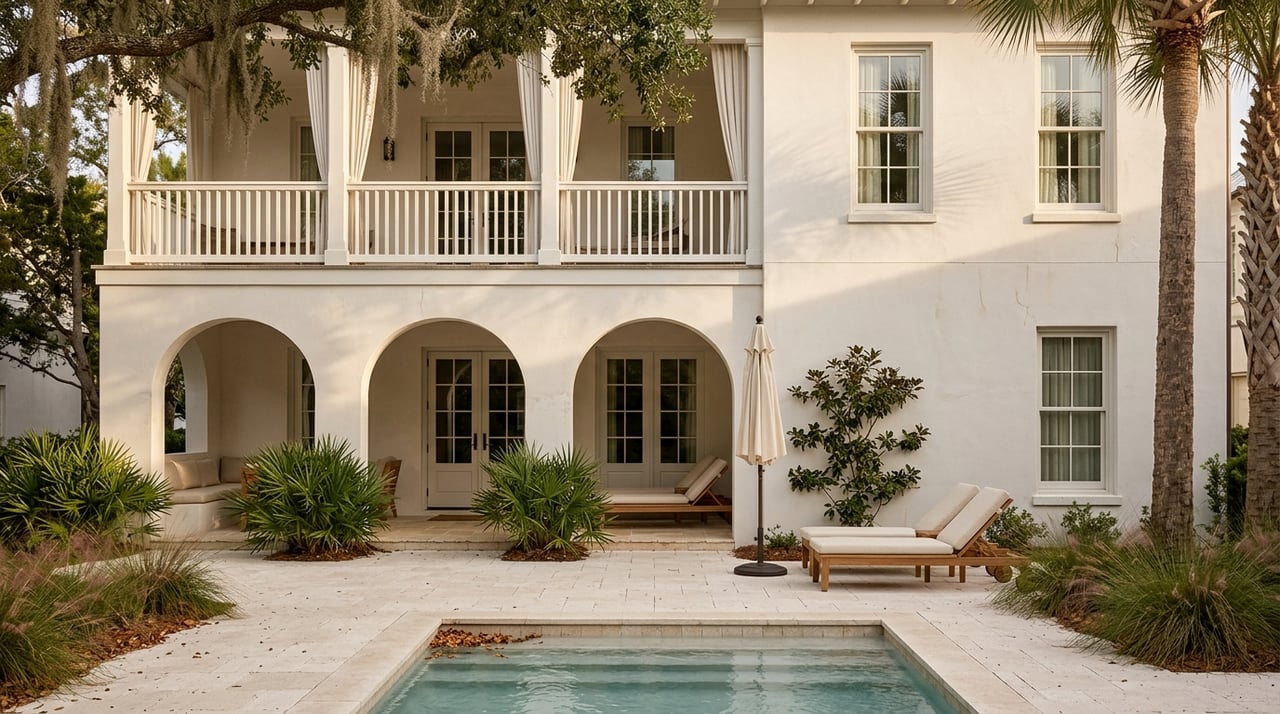
For a Sea Island Lake Cottage, staging should go beyond placing furniture in the main living areas. Public property descriptions repeatedly highlight features such as screened porches, patios, summer kitchens, pools, storage, bike-path proximity, and lake or marsh views. Those features should be treated as core selling spaces, not side notes.
NAR reports that the most commonly staged rooms are the living room, primary bedroom, and dining room. Those are smart priorities, but in Lake Cottages, exterior living areas deserve the same attention. A clean, styled porch with an inviting seating arrangement can help a buyer picture the lifestyle immediately.
Before photography, make sure these areas feel polished and intentional:
When your home is presented as a complete lifestyle offering, buyers can more easily understand its value.
Luxury listings almost always meet buyers online first. NAR’s 2024 buyer and seller report found that 43 percent of buyers began by looking for properties on the internet, and 69 percent used mobile or tablet devices. That makes your listing package the first showing.
In this market, professional photography and immersive virtual tours are not optional. They are central to how buyers decide whether your property is worth a closer look, especially if they are traveling in from another city, state, or country. Your digital presentation should feel polished, accurate, and consistent with the in-person experience.
NAR’s photo-shoot guidance emphasizes high-resolution photography and video tours, along with a spotless home and reduced clutter where needed. It also warns against overly edited images that can misrepresent a property’s condition, scale, or view. That caution is especially important for Sea Island listings, where view orientation and setting are major value drivers.
Your visual package should help a buyer quickly understand:
When buyers feel that the online listing is honest and compelling, they arrive more confident and better prepared to engage.
A Sea Island cottage can attract more than local interest. At the luxury level, your likely buyer pool may include second-home shoppers, relocating households, and international purchasers looking for an island lifestyle property. That is why broad, strategic exposure matters.
Sotheby’s International Realty reports a network spanning 84 countries and territories, with 1,100 offices and 26,100 sales associates, along with $157 billion in 2024 global sales volume. The brand also reported more than 33 million website visitors and 65 million video views in 2024. For sellers, this helps explain why luxury marketing should extend beyond a basic MLS entry.
In a niche luxury market, success is not just about how many people see the listing. It is about whether the right people see it, and whether the launch reaches them with a message that fits the property. A thoughtful campaign should combine pricing discipline, strong creative assets, digital distribution, and qualified follow-up.
This is where boutique service and global reach can work together. A seller benefits from hands-on guidance on preparation and positioning, backed by the kind of international syndication and media visibility that a luxury brand can provide.
Selling in Sea Island Lake Cottages calls for more than general market knowledge. You should expect a strategy built around this exact micro-market, your home’s specific strengths, and the realities of a luxury buyer pool that may be both local and global.
A strong listing plan should include:
In a market where timing, presentation, and pricing all carry real weight, that level of detail can make a meaningful difference.
If you are thinking about selling a Sea Island cottage, the best next step is not guessing what the market might do. It is building a plan that reflects what buyers are actually paying for right now, and presenting your property with accuracy, polish, and discipline. For tailored guidance on pricing, preparation, and global marketing reach in the Golden Isles, connect with Georgia Bailey Usry.
Georgia has achieved numerous accomplishments, primarily driven by her commitment to prioritizing her clients and maintaining a strong focus on building lasting relationships. Work with Georgia now!