
Jekyll Island vs St Simons: Which Second Home Fits You?
March 5, 2026
March 5, 2026
Trying to decide between Jekyll Island and St. Simons for a second home? You are not alone. Each island offers a distinct lifestyle and, more importantly, a very different way of owning property. In this guide, you will learn how ownership, financing, rental rules, costs, and upkeep compare so you can make a confident call. Let’s dive in.
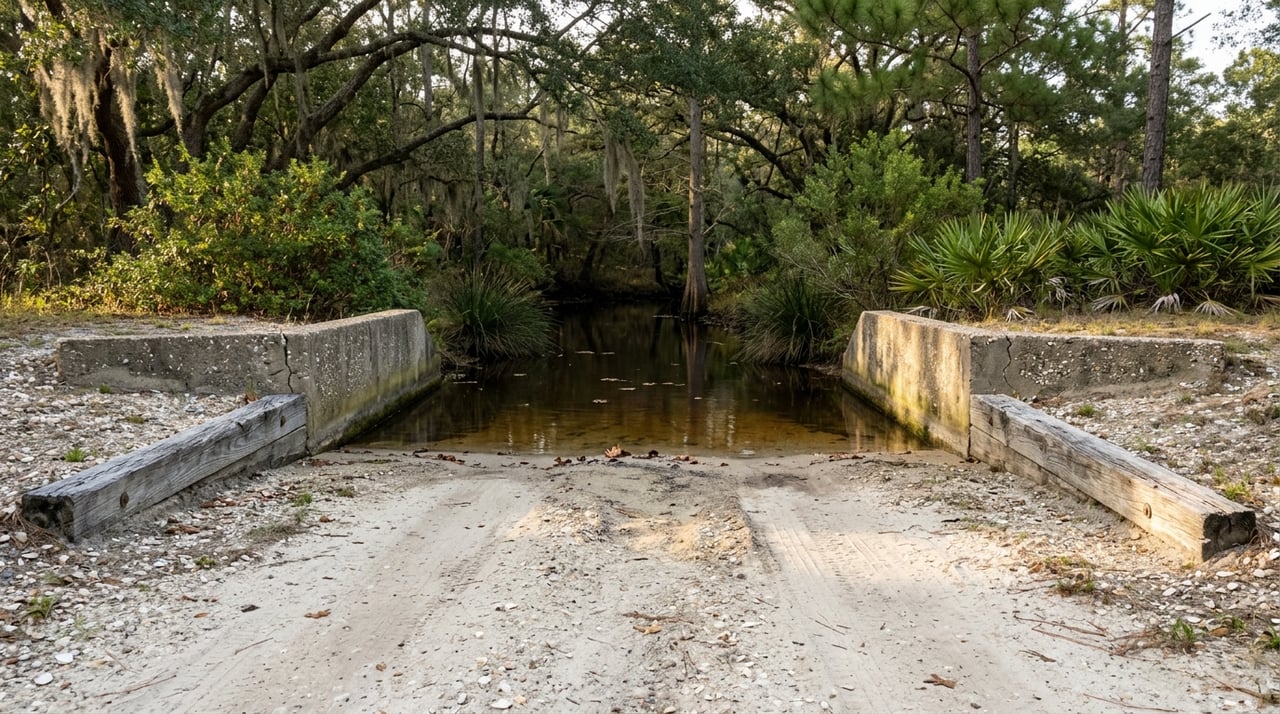
Jekyll is a state-park setting with a conservation focus, bike paths, and a calmer rhythm. You will find historic cottages, low-rise condos, and classic beach homes tucked among maritime forest and shoreline. Supply is intentionally limited by the island’s master plan, which preserves large areas as park and open space.
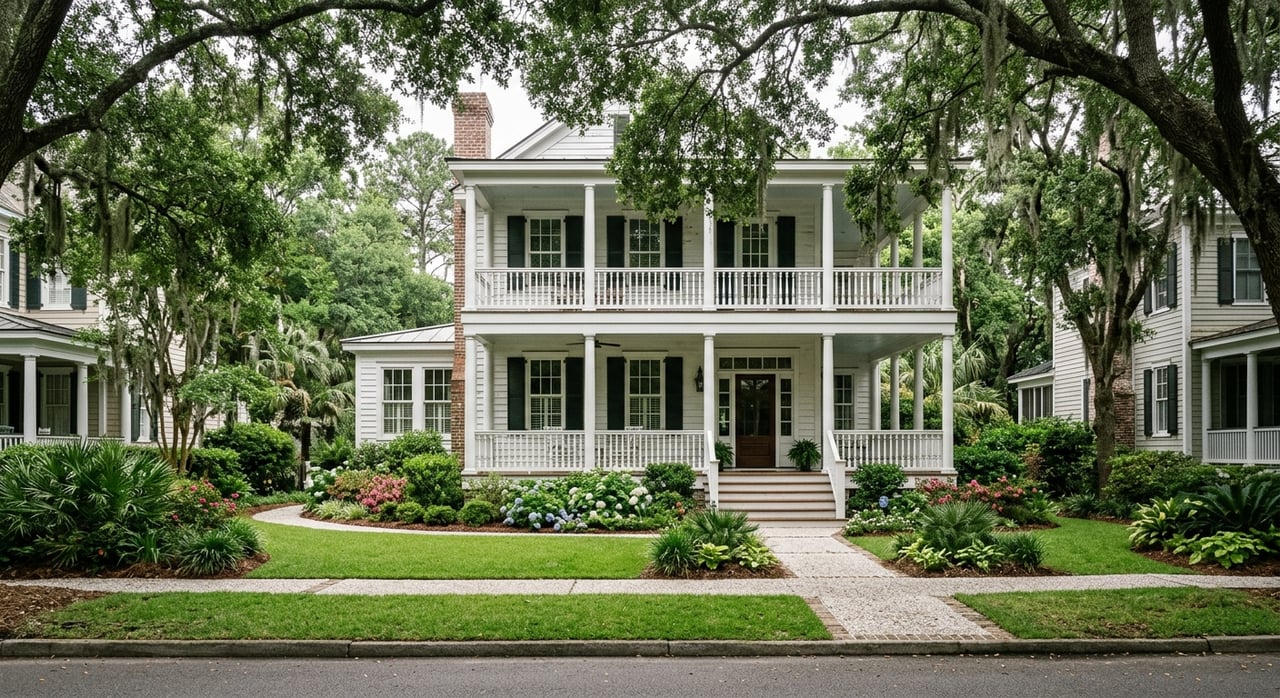
St. Simons offers a larger, everyday village feel with restaurants, shops, marinas, and a broader range of services. Most homes are conventional fee-simple properties across distinct neighborhoods, from the village area to marshfront and golf communities. You will see more listings at any given time and more variety by size, style, and price.
On Jekyll, the State of Georgia owns the land and you buy the home plus a long-term land lease. Residential leases have stated expiration dates, with current ranges running into the 2049–2088 window. In addition to normal ownership costs, you pay an annual lease rent, calculated at 0.4% of the leased land’s fair market value as determined by the county tax assessor. Jekyll also requires a rental license for overnight rentals and collects a percentage rent on gross rental revenues from leaseholders. You can review the Jekyll Island Authority’s resident guidance on ownership, lease rent, and rental licensing for full details at the official site for Jekyll homeowners and rentals.
Because Jekyll is managed under a state master plan, new development and land-use changes follow statutory procedures. The State intends that a significant share of the island remain parkland and open space, which constrains future residential supply. You can see the statutory framework that underpins this approach in the Georgia code sections governing Jekyll Island.
On St. Simons, you buy fee-simple land and improvements with conventional deeds, title insurance, and typical HOA structures where applicable. That generally means more mainstream mortgage options, conventional resale, and straightforward estate planning. Short-term rentals are governed by Glynn County rather than a single island authority.
Leasehold homes can be financed, but most lenders follow program rules about the remaining lease term. For example, Fannie Mae requires the lease to run at least five years beyond the mortgage maturity. If a Jekyll lease is short relative to your desired loan term, it can limit options or require a different loan structure. Speak early with a lender experienced in coastal and leasehold properties, and review Fannie’s guidance on eligibility in the Selling Guide.
If you plan to rent on Jekyll, the Jekyll Island Authority requires a rental license. Leaseholders also report gross rental revenue and remit a percentage rent to the Authority, in addition to standard lodging taxes. Requirements can change by ordinance, so confirm current forms, percentages, and deadlines in the Authority’s homeownership and rental guidance.
On St. Simons, Glynn County regulates short-term rentals under Chapter 2-31. You must obtain a Short-Term Rental Certificate, follow rules for noise, parking, and trash, and remit occupancy taxes. The county maintains application resources and an enforcement hotline; start with the county’s Short-Term Rental Property Information.
Work backward from a conservative budget. For illustration only:
Jekyll’s housing stock includes older single-family cottages, historic-district homes, and several low-rise condo communities. There are only about 600 private residences, so inventory is naturally thin and timing matters. Entry-point condos can start in the low-to-mid hundreds of thousands, with renovated or larger units higher. Many single-family homes trade in the mid-to-high six-figure range, with premium ocean-proximate properties above that. Because listings are limited, medians can swing month to month; verify current figures with the local MLS before you benchmark.
St. Simons offers a broader set of neighborhoods and property types, from village-area cottages and marshfront homes to golf and deep-water properties. Portal snapshots often place typical home values in the mid–six figures, but month-to-month medians vary by mix and season. Use current MLS data for precise pricing on your target property type and location.
Both islands face hurricane and coastal-storm exposure, and sea-level rise affects surge risk. Before you buy, check the FEMA flood zone, request the elevation certificate, and confirm whether the property sits in a V/VE/AE zone. Zone and elevation drive flood insurance requirements and premiums. For context on Georgia’s coastal hazards, review the state’s hazard mitigation and sea-level rise summaries.
Coastal homes often carry higher wind and hurricane deductibles. Flood insurance is typically required by lenders for homes in certain zones. On Jekyll, lease terms can influence underwriting, so pre-qualify with a lender who understands coastal and leasehold requirements. As noted above, many lenders look for a lease that extends at least five years beyond loan maturity per Fannie Mae guidance.
Salt air and humidity accelerate wear on roofs, HVAC systems, windows, railings, and exterior finishes. Plan for more frequent inspections and annual service. For waterfront or dock-equipped properties, confirm permits, dredging history, and any shared maintenance agreements before you commit. A simple checklist includes dock permits, riparian rights, dredge records, and any HOA responsibilities.
Clarify ownership and financing early. For any Jekyll property, request the lease expiration date, current annual lease rent, and any rental history. Confirm lender comfort with the specific lease term and the five-year-beyond-maturity rule referenced in Fannie Mae’s guidance.
Build a full carrying-cost budget. Include property taxes, insurance, HOA or condo dues, utilities, routine maintenance, and on Jekyll, the annual lease rent and any JIA rent obligations if renting.
Check coastal resilience. Order the elevation certificate, review the FEMA panel, and price flood insurance that matches the zone and elevation. For statewide context, see Georgia’s coastal hazard summaries.
Confirm STR feasibility. On Jekyll, review JIA licensing and reporting. On St. Simons, start with Glynn County’s STR certificate resources. Align your plan with HOA rules and insurance.
Tour the right micro-locations. Walk beaches, bike paths, and village areas at different times of day and season. A few hours on the ground often clarifies which island feels like home.
When you are ready to explore the best options on either island, tap local, data-driven guidance with white-glove service. Connect with Georgia Bailey Usry to compare properties, run numbers, and move forward with confidence.
Georgia has achieved numerous accomplishments, primarily driven by her commitment to prioritizing her clients and maintaining a strong focus on building lasting relationships. Work with Georgia now!