Sea Island Cottages vs Condos: Essential Buyer Guide
December 4, 2025
December 4, 2025
Trying to decide between a Sea Island cottage and a condo for your second home? You want the right balance of privacy, convenience, and long-term value, and you do not want surprises after closing. The good news is that both property types shine on Sea Island, but they fit different lifestyles and cost profiles. In this guide, you will learn how cottages and condos differ in ownership, maintenance, fees, rental rules, insurance, and financing so you can buy with confidence. Let’s dive in.
Sea Island sits within Glynn County on Georgia’s coast and is known for private, resort-caliber living. Properties here are part of a luxury market with community rules, gated access, and proximity to amenities. Nearby Glynn County neighborhoods offer a wider mix of coastal options and varied local regulations that still matter for Sea Island buyers.
Two big local factors influence your decision: coastal flood and hurricane risk, and community governance. FEMA flood maps, elevation, and wind exposure affect insurance costs and requirements. Private community covenants and association rules set standards for use, leasing, and maintenance. Before you get attached to a listing, plan to review association documents and confirm insurance implications for the specific location.
Most Sea Island cottages are fee simple single-family homes where you own the land and dwelling. In rare cases, land can be leased from the resort or an association. If a listing mentions a ground lease, verify term length, rent escalations, transfer rights, and what happens at expiration. Ownership clarity at the outset protects your future resale and financing options.
Condominiums give you ownership of your unit and a shared interest in the building’s common elements. You are governed by a condo declaration, bylaws, and association rules that cover everything from repairs to rentals. Voting rights and assessments typically follow a unit entitlement schedule, which is worth reviewing to understand how costs and decisions are allocated.
Before you write an offer, request and read these items:
Condos lean into turnkey living. Associations often handle exterior building maintenance, roofs, structural systems, elevators, exterior painting, and common-area landscaping. Some utilities may be included, and on-site property management is common. For lock-and-leave owners, this lowers the day-to-day effort compared with detached homes.
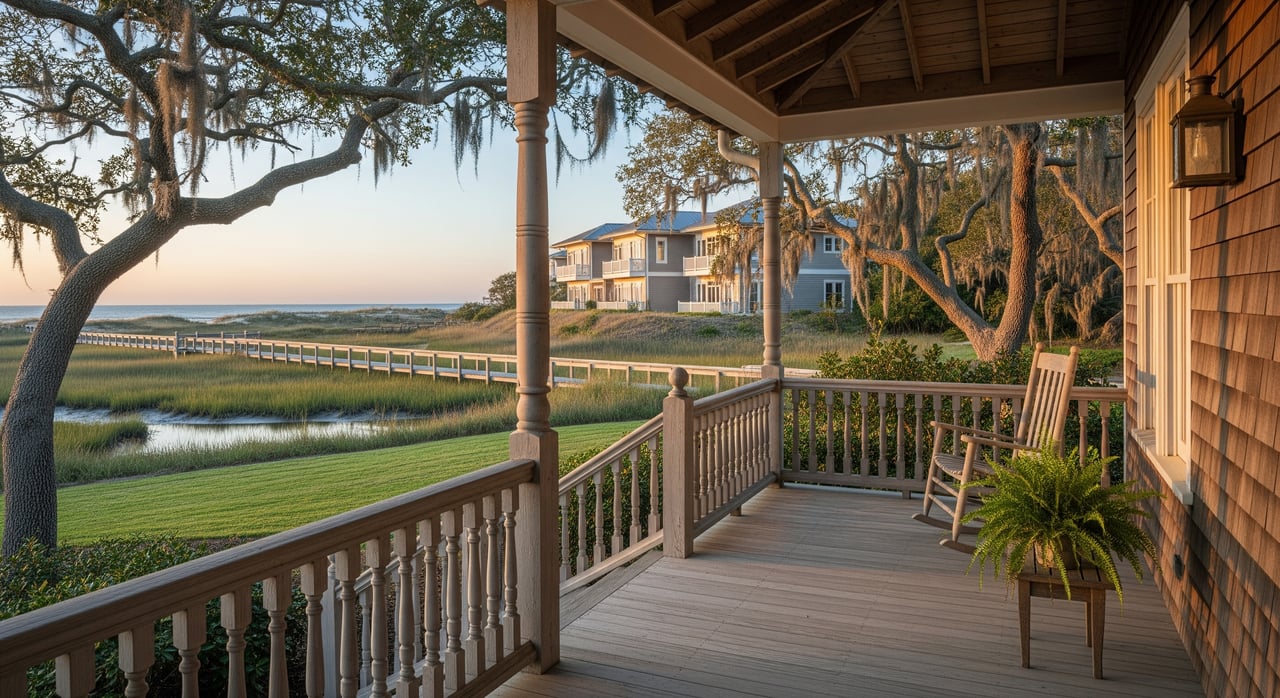
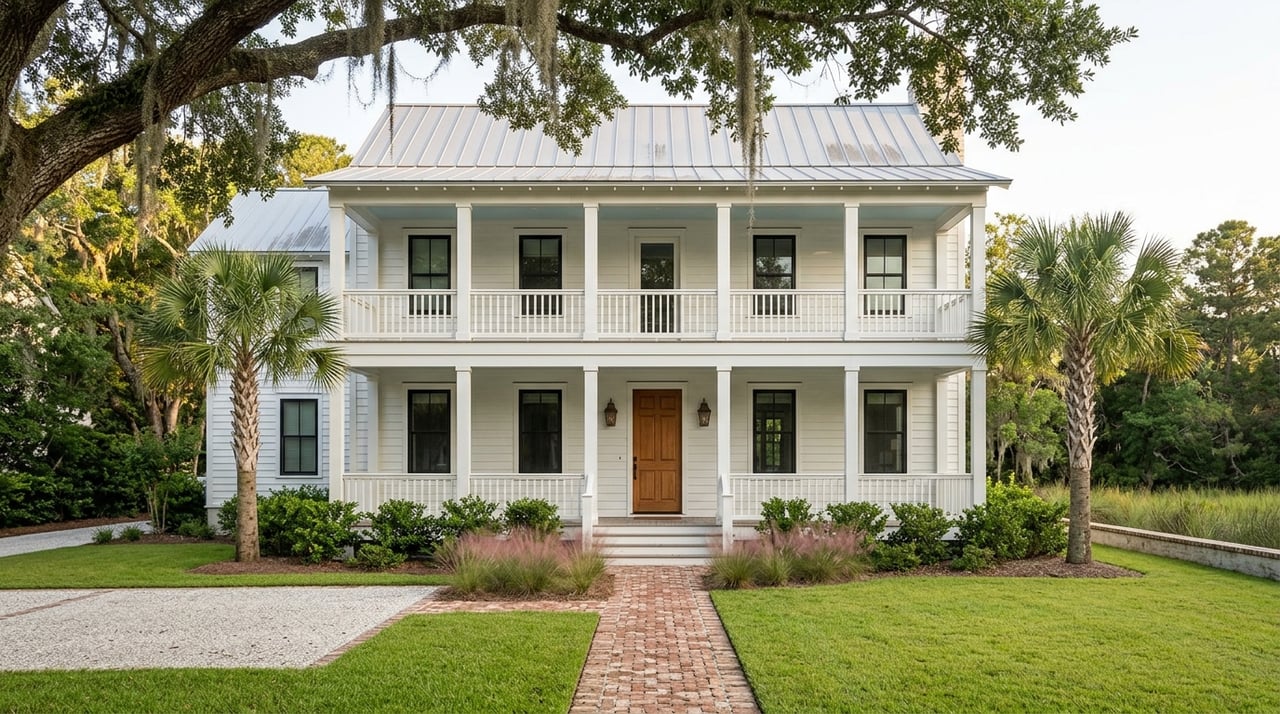
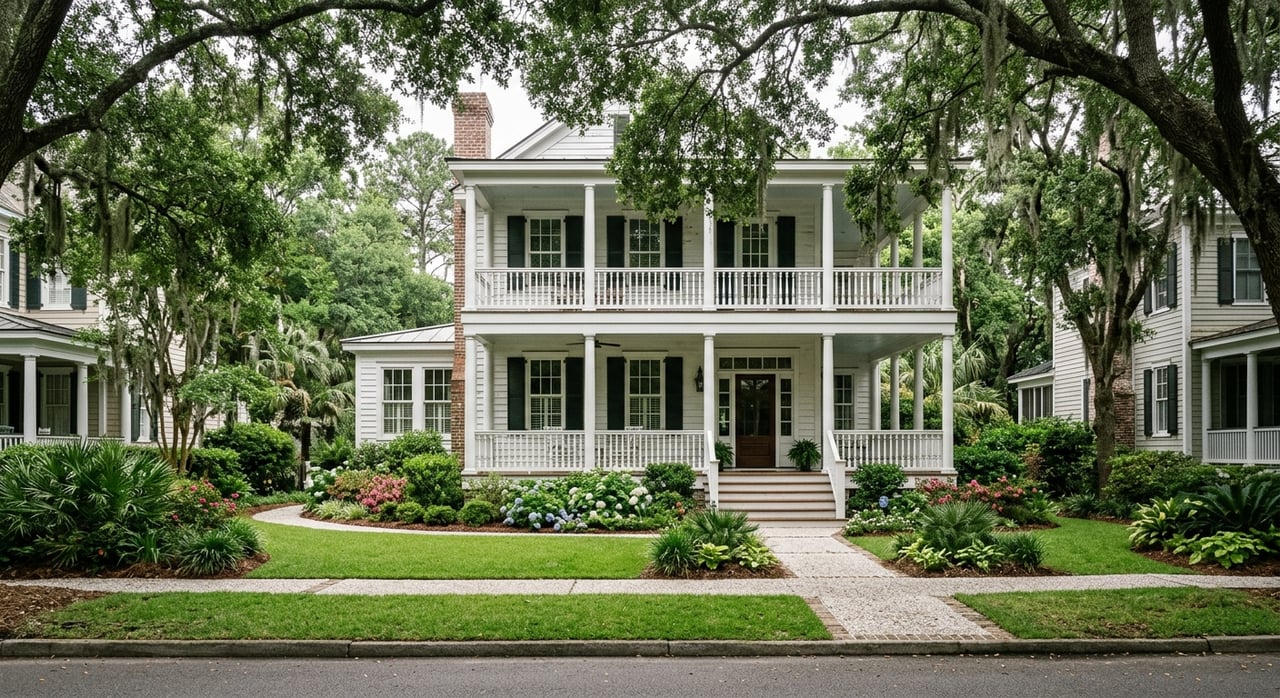
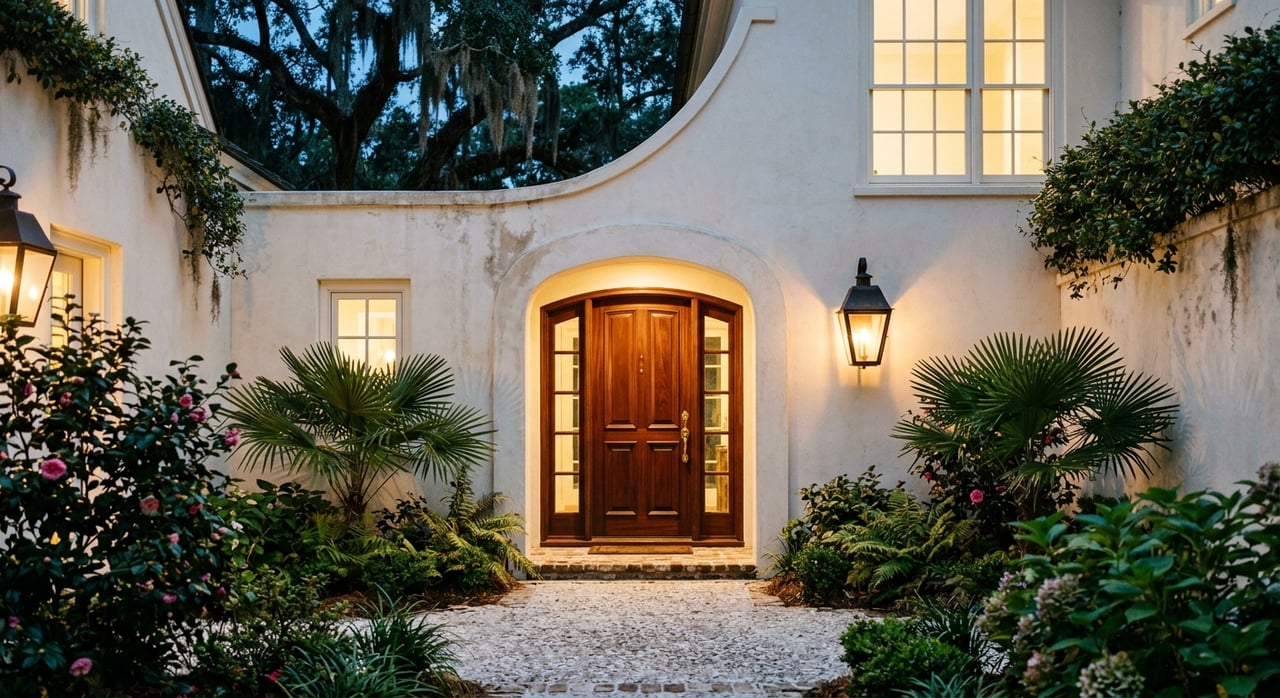
Cottages usually put more responsibility on the owner for exterior upkeep and private outdoor areas. If the cottage sits inside a managed community, the HOA may handle some exterior tasks or common landscaping, but you should expect more involvement than in a condo. Many cottages offer generous porches, yards, and storage that enhance privacy and entertaining, paired with added maintenance planning.
Sea Island ownership can include or provide optional access to resort amenities like golf, beach clubs, dining, concierge, and shuttle service. Availability varies by product type, membership, and deed restrictions. On-island housekeeping, property management, and rental management are available for both cottages and condos, with different fee structures and service levels. Ask for a written summary of what is included and what is optional for the address you are evaluating.
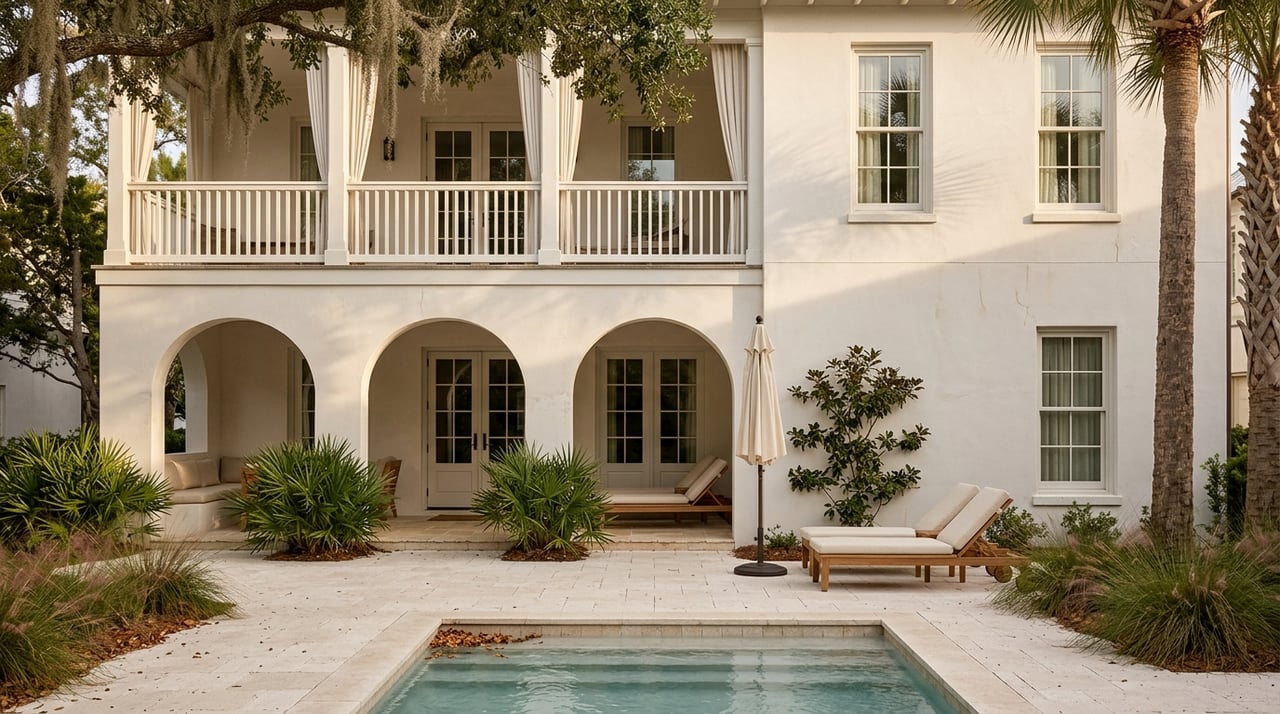
Condos offer more staff presence and controlled entries, which some owners prefer for security and convenience. You will also have shared corridors and common areas, so privacy can feel more limited. Cottages provide private entrances and yards that support a more secluded experience, especially for longer stays and hosting. If the cottage is inside a gated community, you get both privacy and controlled access.
Sea Island is a luxury market. Larger or ocean-adjacent cottages often command higher total prices than most individual condo units. Price per square foot varies widely based on location and amenity packages. Because inventory shifts with the season, ask for current, property-specific comparables before you decide how far to stretch.
Condos usually carry higher monthly association dues that bundle many building costs and some utilities. That premium buys convenience and predictable maintenance. Cottages inside an HOA can have dues as well, often lower than full-service condos, but owners should budget separately for landscaping, exterior maintenance, and private utilities. Always review what dues cover and how often they increase. Confirm whether the budget includes insurance deductibles, cable or Internet, water and wastewater, security, and road maintenance.
Glynn County taxes apply to both cottages and condos, with assessment classification based on property type. There may be special taxing districts or local assessments that affect your specific address. Verify classification and estimates with the county before you finalize your acquisition budget.
Coastal properties commonly require flood insurance, with costs tied to FEMA flood zones, elevation, and your coverage selections. Wind and hurricane riders can carry higher premiums and deductibles near the shoreline. Condo associations typically hold master policies for structures and common areas, but you must confirm what the master policy covers and where your responsibility begins. For cottages, plan for full dwelling coverage plus flood and wind according to lender and community requirements. Obtain elevation certificates, review any prior flood claims, and get quotes from coastal-experienced insurers before you waive contingencies.
Condo financing involves extra lender scrutiny of the association’s financial health, reserves, rental ratios, litigation, and insurance. For cottages, underwriting is closer to a standard single-family mortgage, but coastal location and flood requirements still matter. Your terms will also depend on whether you designate the property as a second home or an investment. Investment loans usually carry higher rates and down payments, so align your financing with your intended use from the start.
Some Sea Island properties participate in resort rental programs that can help drive bookings and guest services. Participation rules, revenue splits, owner usage limitations, and booking priorities vary by program and by property type. Confirm current rules in writing and ask about any pending changes under consideration by the association or resort.
Short-term rentals may require local registration, business licenses, and transient occupancy tax remittance. HOA rules and county ordinances both apply, and they can change. Check the latest association amendments and local enforcement practices before you underwrite income or advertise availability.
Luxury coastal homes can earn strong nightly rates in peak seasons, but occupancy patterns are seasonal and market dependent. Professional management and resort affiliation often improve occupancy and average daily rate, but add fees. Net yield depends on dues, insurance, taxes, management, and capital expenditures. Request historical operating statements and seasonal data for any property you are considering.
Rental income is taxable. You may deduct operating expenses, depreciation, and mortgage interest against rental income, subject to tax rules and passive activity limits. State and local tax filings may apply for short-term activity. Discuss your plan with a qualified tax advisor prior to purchase so your structure matches your objectives.
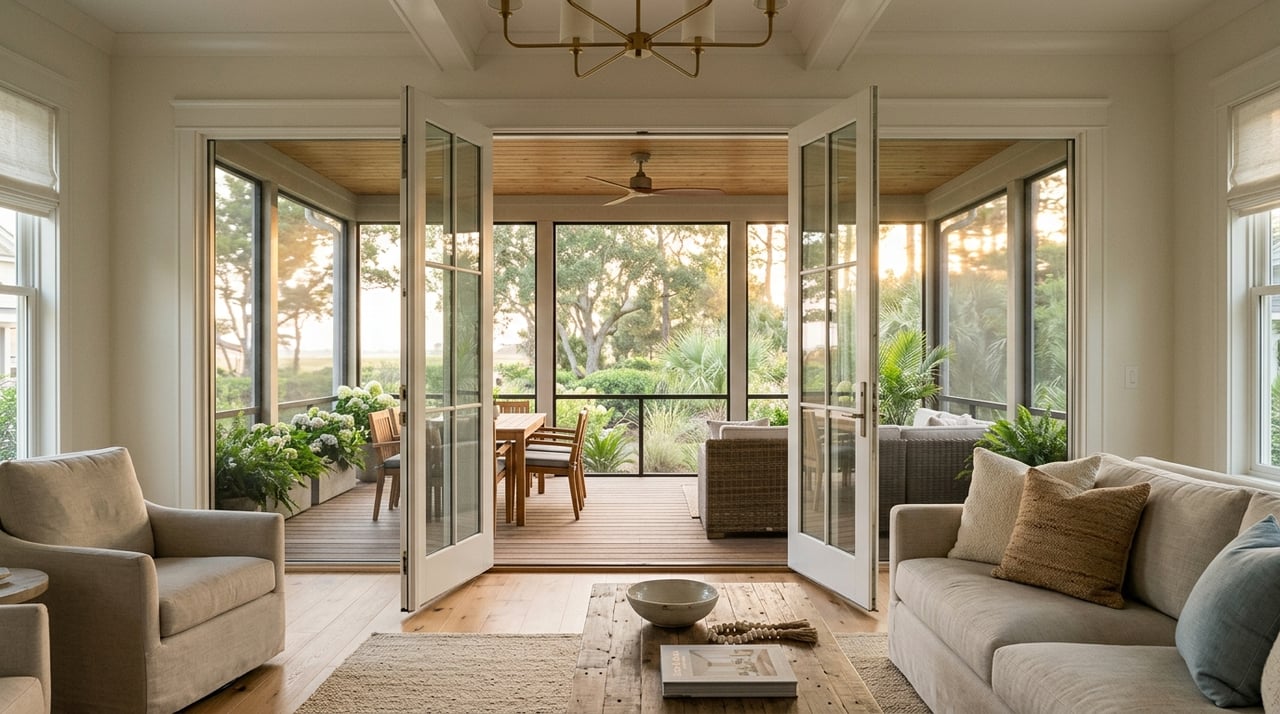
Choose a condo if you want lock-and-leave ease with consolidated services, on-site management, and minimal personal oversight. Elevators and managed common areas can be helpful for owners with mobility considerations. Larger units can host family comfortably, though storage and parking may be more structured than in a detached home.
Choose a cottage if you prefer more living space, private outdoor areas, and architectural flexibility. Cottages are well suited to extended family stays, entertaining, and long visits where you want a private, residential feel. Expect more involvement in exterior maintenance unless your HOA contracts those services.
Many Sea Island properties sit within a short shuttle of golf, beach clubs, and dining. Proximity varies by address and association, so verify exact distances, shuttle routes, and access rules before you decide which neighborhood fits your daily rhythm.
Resale demand often tracks lifestyle priorities. Cottages tend to attract buyers seeking privacy and standalone homes, while condos draw buyers prioritizing turnkey resort living. Market cycles and inventory levels influence both product types. Ask for recent, like-kind comparable sales to gauge pricing power and expected time on market.
Use this list to verify the essentials before you commit:
Start by ranking your top three priorities. If you want highly managed living with minimal maintenance, a condo often wins. If you want space, privacy, and the feel of a personal retreat, a cottage is likely the better fit. From there, test the numbers with real quotes for dues, insurance, taxes, and management. Finally, validate rental rules and financing options that match how you plan to use the property.
When you are ready to compare specific Sea Island addresses side by side, connect with a local advisor who can assemble the right documents, request insurance quotes, and model operating costs and rental scenarios for you. For discreet, data-driven guidance on Sea Island cottages and condos, reach out to Georgia Bailey Usry. Start your Golden Isles search today.
Georgia has achieved numerous accomplishments, primarily driven by her commitment to prioritizing her clients and maintaining a strong focus on building lasting relationships. Work with Georgia now!